


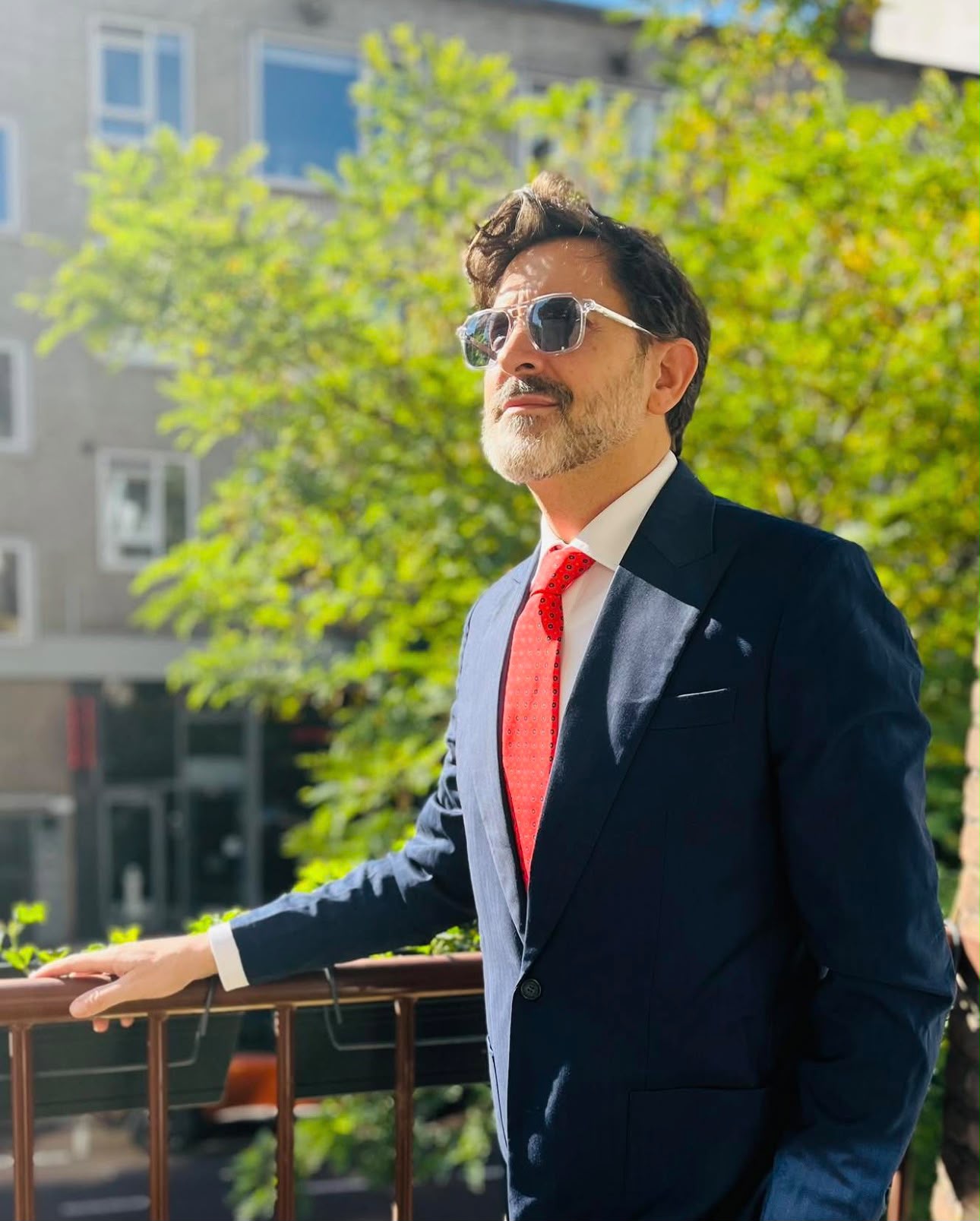
Francesco Paolo de Ceglia
Professore ordinario
Francesco Paolo de Ceglia (Molfetta, 1972) insegna Storia della scienza all’Università di Bari Aldo Moro, dove è professore ordinario dal 2024 e dove ha diretto dal 2018 al 2023 il centro interuniversitario Seminario di Storia della Scienza, di cui è oggi vicedirettore. Si era laureato in filosofia a Bari nel 1995 e aveva conseguito il dottorato in storia della scienza all’inizio degli anni Duemila; fra il 2002 e il 2004 aveva poi frequentato il master in Comunicazione della scienza della SISSA di Trieste, dettaglio che conviene segnalare subito, perché su come si racconta la scienza ha lavorato non solo scrivendo ma anche insegnando e teorizzando: Comunicare la scienza, scritto con Silvia Bencivelli per Carocci nel 2013 e da poco riedito con l’aggiunta di Ruggero Rollini, nasce da lì.
Aveva esordito, negli anni Novanta, con due libri sulle controversie idrostatiche di area galileiana — Reazioni romane (1997) e «De Natantibus» (1999), entrambi per Laterza — e si era poi spostato sulla medicina tedesca di primo Settecento, a partire dall’Introduzione alla fisiologia di Georg Ernst Stahl (2000) e fino a I fari di Halle. Georg Ernst Stahl, Friedrich Hoffmann e la medicina europea del primo Settecento (il Mulino, 2009), cinquecento pagine sulla disputa fra animismo e meccanicismo. Un percorso, insomma, del tutto ortodosso per uno storico della scienza.
Poi qualcosa si è spostato. Con Il segreto di san Gennaro. Storia naturale di un miracolo napoletano (Einaudi, 2016) e con Vampyr. Storia naturale della resurrezione (Einaudi, 2023) de Ceglia ha portato gli strumenti della storia della scienza dentro territori che la disciplina aveva a lungo lasciato ad altri: il sangue che si scioglie tre volte l’anno, i cadaveri che nei Balcani del Settecento non si decomponevano, i morti masticatori di sudario, le mummie, la jettatura, la medium Eusapia Palladino, i mostri di Paolo Zacchia. Il filo che tiene insieme questa materia è la frontiera fra naturale, preternaturale e sovrannaturale in età moderna, ed è la stessa che ha organizzato il PRIN 2017 The Uncertain Borders of Nature, di cui è stato principal investigator, e i volumi collettanei che ne sono derivati: da The Body of Evidence (Brill, 2020) a I demoni di Napoli (2021), da Souls of Naples (Viella, 2023) a Partenope degli spiriti (Viella, 2024). Dal 2022 è invece principal investigator di SOUTH RISK, PRIN PNRR sulla storia del rischio e della sua prevenzione nel Mezzogiorno.
Che la scrittura sia per lui un problema di metodo e non una rifinitura, lo ha detto lui stesso. La formula «storia naturale» che compare nei sottotitoli di entrambi i libri Einaudi è, per sua ammissione, la scelta di un genere letterario capace di reggere insieme «un racconto ed allo stesso tempo una spiegazione»; e ha raccontato di aver dovuto camuffare dentro la narrazione la parte teorica, perché altrimenti il libro sarebbe diventato di filosofia e non più di storia. Della costruzione di Vampyr ha parlato come di un tetris, con le carte spostate di continuo per non perdere il filo narrativo senza rinunciare alla complessità concettuale. È un modo di lavorare che i recensori hanno registrato fin da subito: già nel dicembre 2016 «il manifesto», recensendo il san Gennaro come una ricerca possente e minuziosa, ne segnalava anche la qualità della scrittura.
I riconoscimenti sono arrivati soprattutto di recente: Il segreto di san Gennaro fu tra i tre finalisti del Premio Viareggio 2017, Vampyr ha vinto il Premio internazionale Cherasco Storia 2025 ed è uscito in russo a Mosca, mentre l’edizione inglese del san Gennaro (Routledge, 2025) ha ottenuto nello stesso anno il premio dell’American Association for the Italian Studies e il Flaiano per l’italianistica. Condirige «Physis», siede nel comitato editoriale di «Società e storia», coordina a Bari il dottorato in Patrimoni storici e filosofici per una innovazione sostenibile. Ha portato in teatro Lise Meitner e Rosalind Franklin, produce podcast, cura mostre, scrive su «la Repubblica», «Prisma», «Lucy sulla cultura», «Il Tascabile». Il che, dei suoi libri, spiega parecchio.
Francesco Paolo de Ceglia (Molfetta, 1972) teaches History of Science at the University of Bari Aldo Moro, where he has been full professor since 2024 and where, from 2018 to 2023, he directed the inter-university centre Seminario di Storia della Scienza, of which he is now deputy director. He had graduated in philosophy in Bari in 1995 and obtained his PhD in the history of science in the early 2000s; between 2002 and 2004 he then attended the master’s programme in Science Communication at SISSA in Trieste, a detail worth mentioning at once, because he has worked on how science is told not only by writing but also by teaching and theorising: Comunicare la scienza, written with Silvia Bencivelli for Carocci in 2013 and recently reissued with the addition of Ruggero Rollini, originates there.
He had made his debut, in the 1990s, with two books on the hydrostatic controversies of the Galilean milieu — Reazioni romane (1997) and «De Natantibus» (1999), both published by Laterza — and had then moved on to early eighteenth-century German medicine, starting with Introduzione alla fisiologia di Georg Ernst Stahl (2000) and arriving at I fari di Halle. Georg Ernst Stahl, Friedrich Hoffmann e la medicina europea del primo Settecento (il Mulino, 2009), five hundred pages on the dispute between animism and mechanism. A path, in short, entirely orthodox for a historian of science.
Then something shifted. With Il segreto di san Gennaro. Storia naturale di un miracolo napoletano (Einaudi, 2016) and Vampyr. Storia naturale della resurrezione (Einaudi, 2023), de Ceglia has carried the tools of the history of science into territories the discipline had long left to others: the blood that liquefies three times a year, the corpses that did not decompose in the eighteenth-century Balkans, the dead who chewed their shrouds, mummies, jettatura, the medium Eusapia Palladino, the monsters of Paolo Zacchia. The thread that holds this material together is the boundary between the natural, the preternatural and the supernatural in the early modern period, and it is the same one that structured the PRIN 2017 project The Uncertain Borders of Nature, of which he was principal investigator, and the edited volumes that derived from it: from The Body of Evidence (Brill, 2020) to I demoni di Napoli (2021), from Souls of Naples (Viella, 2023) to Partenope degli spiriti (Viella, 2024). Since 2022 he has been principal investigator of SOUTH RISK, a PRIN PNRR project on the history of risk and its prevention in Southern Italy.
That writing is for him a matter of method rather than a finishing touch, he has said himself. The formula “natural history” (storia naturale) that appears in the subtitles of both Einaudi books is, by his own admission, the choice of a literary genre capable of holding together “a narrative and at the same time an explanation”; and he has recounted having had to camouflage the theoretical part within the narration, because otherwise the book would have become a work of philosophy rather than of history. He has described the construction of Vampyr as a game of Tetris, with the papers constantly shifted around so as not to lose the narrative thread without giving up conceptual complexity. It is a way of working that reviewers noted from the outset: as early as December 2016, il manifesto, reviewing the San Gennaro book as a powerful and meticulous piece of research, also drew attention to the quality of its writing.
Recognition has come above all in recent years: Il segreto di san Gennaro was one of the three finalists for the Premio Viareggio 2017, Vampyr won the Premio internazionale Cherasco Storia 2025 and was published in Russian in Moscow, while the English edition of the San Gennaro book (Routledge, 2025) received, in the same year, the prize of the American Association for Italian Studies and the Premio Flaiano for Italian studies. He co-edits Physis, sits on the editorial board of Società e storia, and coordinates in Bari the PhD programme in Patrimoni storici e filosofici per una innovazione sostenibile (Historical and Philosophical Heritage for Sustainable Innovation). He has brought Lise Meitner and Rosalind Franklin to the stage, produces podcasts, curates exhibitions, and writes for la Repubblica, Prisma, Lucy sulla cultura and Il Tascabile. Which explains a great deal about his books.
Guarda tutte le interviste a:
Francesco Paolo de Ceglia

Francesco Paolo De Ceglia dialoga con Maria Adank
8 marzo 2024
Università di Verona, Polo Santa Marta
Riprese a cura di Federico Barbierato
Montaggio a cura di Giovanni Barbierato
Sottotitoli a cura di Beatrice Boni
Intervista a cura di:
Maria Salome Adank
Aiutaci a sostenere il portale, fai una donazione

Portale Storia moderna
c/o Dipartimento Culture e Civiltà
Università di Verona, via San Francesco 22, 37129 Verona
e-mail: redazione@stmoderna.it
Iscriviti alla newsletter per ricevere aggiornamenti
Progettato da Federico Barbierato, Giulia Simbula e Giulia Zanon